

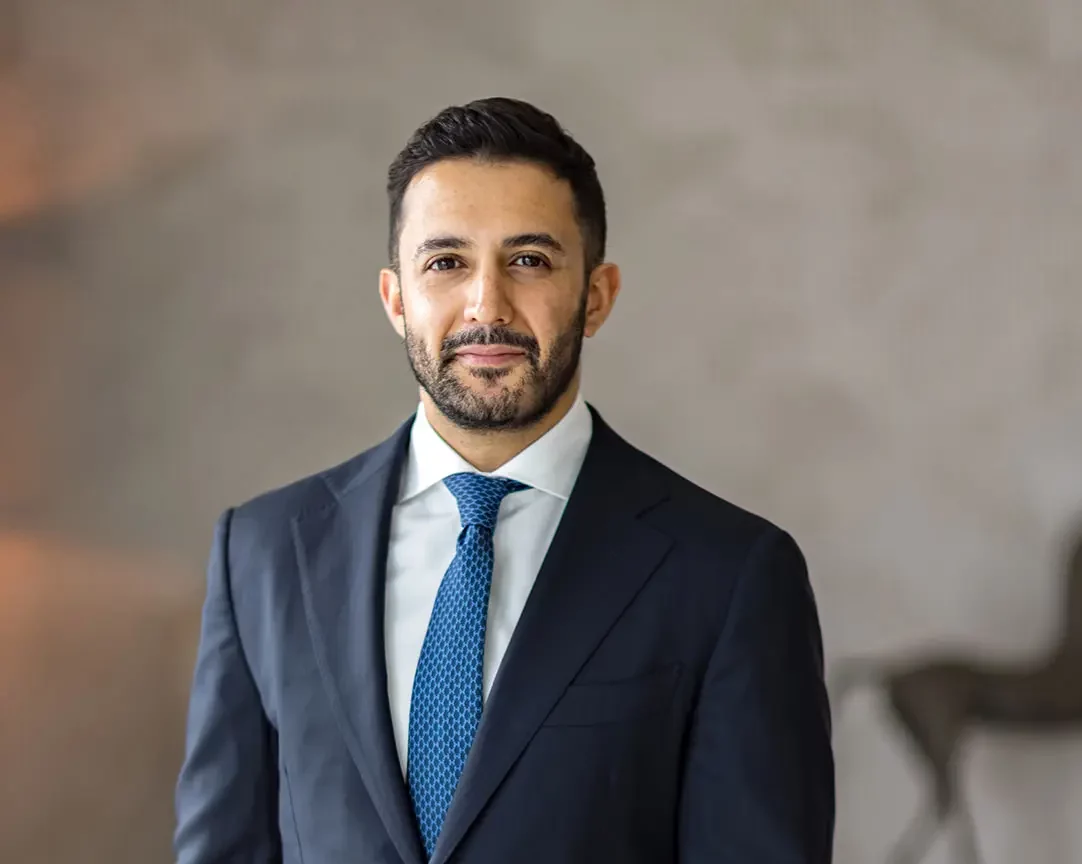

Waleed’s Interview at LBC News
A clip of Waleed’s interview at
LBC News with John Stratford.
The full episode can be found here.
What happened this week
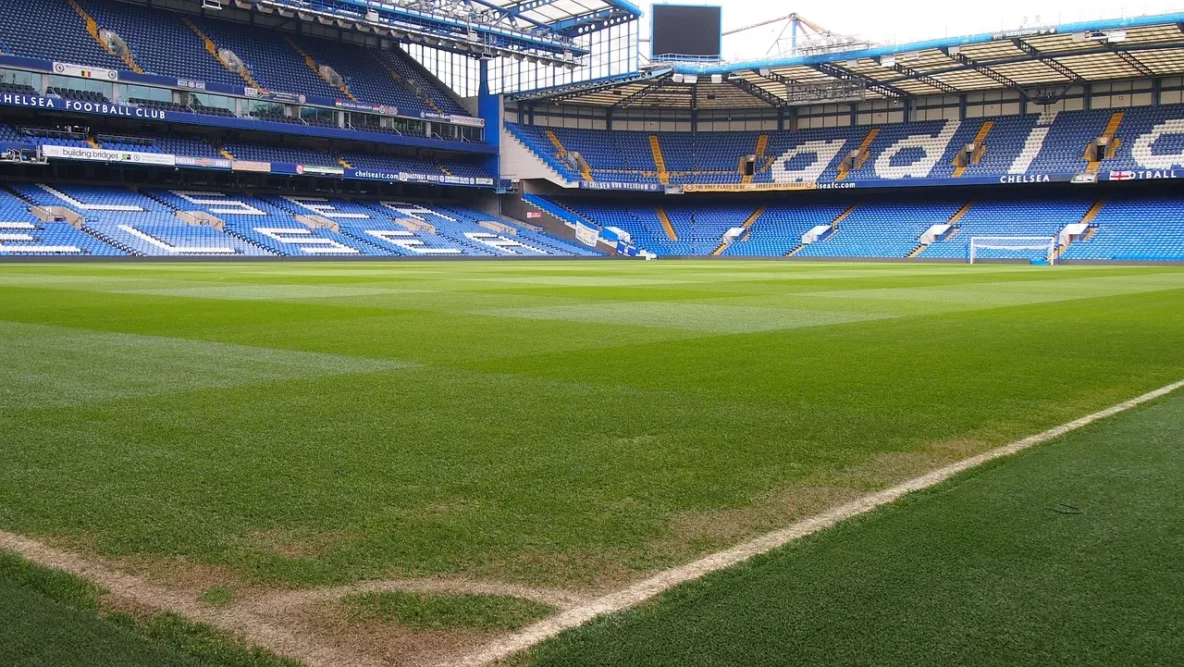
The money sits in a British bank account like a sealed room that everyone can point to, and nobody can enter. More than £2.5bn, raised when Mr Roman Abramovich sold Chelsea Football Club in 2022, has remained frozen ever since, caught between sanctions law, diplomacy, and a promise that never turned into a transfer.
This week, the government decided to change the tempo. In a press release, the Chancellor and the Foreign Secretary issued Mr Abramovich a final opportunity to release the funds for humanitarian causes in Ukraine, warning that the UK is prepared to pursue court action if he fails to act.
Prime Minister, Keir Starmer said:
“The clock is ticking on Roman Abramovich to honour the commitment he made when Chelsea FC was sold and transfer the £2.5 billion to a humanitarian cause for Ukraine.
This government is prepared to enforce it through the courts so that every penny reaches those whose lives have been torn apart by Putin’s illegal war.”
Can the British Government force Mr Abramovich to hand over the money from the Chelsea sale?
The mechanism matters. The government says an OFSI licence has been issued to permit the transfer of the proceeds, once a charitable foundation is established to receive and distribute them. Under the licence terms described by ministers, the proceeds must go to humanitarian causes in Ukraine. Any future gains earned by the foundation could support victims of conflict worldwide, but the money cannot benefit Abramovich or any other sanctioned person.
Behind the brisk language sits a dispute about meaning as much as money. Abramovich pledged the sale proceeds would help “all victims” of the war. The government has held the line that this means humanitarian support inside Ukraine. Several outlets also note the legal awkwardness: freezing is straightforward, forcing a sanctioned owner to direct property in a particular way is much harder. As I told LBC Radio, the key question is “what was agreed between Mr Abramovich between the short time he was designated under UK sanctions law in March 2022, and the sale of Chelsea Football Club in May of the same year?”
Why does the British Government want Mr Abramovich’s funds released?
The Government’s case rests on both urgency and principle. The press release cites UN estimates that 12.7 million people in Ukraine need humanitarian support, and notes a 2025 UN and partners appeal of $3.32bn for humanitarian and refugee response plans.
There is another tension, quieter but significant. Reporting suggests the full £2.5bn may not be cleanly available once historic loans connected to Abramovich’s Chelsea ownership are accounted for. Even if a foundation forms quickly, the amount available for it could be considerably reduced.
I told LBC Radio that the Government is likely well aware its legal position regarding forcing Mr Abramovich to transfer the money to the charitable foundation is shaky. This is primarily because the UK sanctions regime is coercive but does not provide powers to confiscate property, unlike the Proceeds of Crime Act 2022 (POCA). Assets can be frozen, but they remain ultimately the property of the owner.
Final words
The question of whether the Government can force Mr Abramovich to transfer the funds from the Chelsea Football Club sale to a foundation to help Ukrainian people who have suffered due to the ongoing war with Russia depends on the terms of the licence and the agreement made at the time of the sale. Although the Ukrainian people’s need for humanitarian aid is critical, any measures to deal with Mr Abramavich’s assets must comply with the sanctions regime and property law, and must maintain the integrity of the rule of law itself.
FAQs
What did the UK government actually do this week?
It issued an OFSI licence intended to allow the transfer of Chelsea sale proceeds to a new charitable foundation for humanitarian support in Ukraine. It warned of court action if Mr Abramovich does not co-operate.
Why has the money been frozen since 2022?
Mr Abramovich was sanctioned after Russia’s full-scale invasion of Ukraine, and the proceeds from the Chelsea sale have remained in a frozen UK bank account under the sanctions regime.
Why does the government insist the funds must be spent in Ukraine?
Ministers say the licence requires the proceeds to go to humanitarian causes in Ukraine and frame this as fulfilling the 2022 agreement around the sale and the pledge attached to it.
What happens if Mr Abramovich refuses?
The government says it will consider all options, including pursuing the matter in court, though reporting notes uncertainty about how such a case would operate in practice.
Is it definitely £2.5bn that would reach Ukraine?
Not necessarily. Reporting suggests corporate loans linked to Abramovich-era Chelsea structures could affect what is immediately available, even though the headline proceeds figure remains £2.5bn.
To discuss any points raised in this article, please call us on +44 (0) 203972 8469 or email us at mail@eldwicklaw.com.
This article does not constitute legal advice. For further information, please contact our London office.
Share this Post